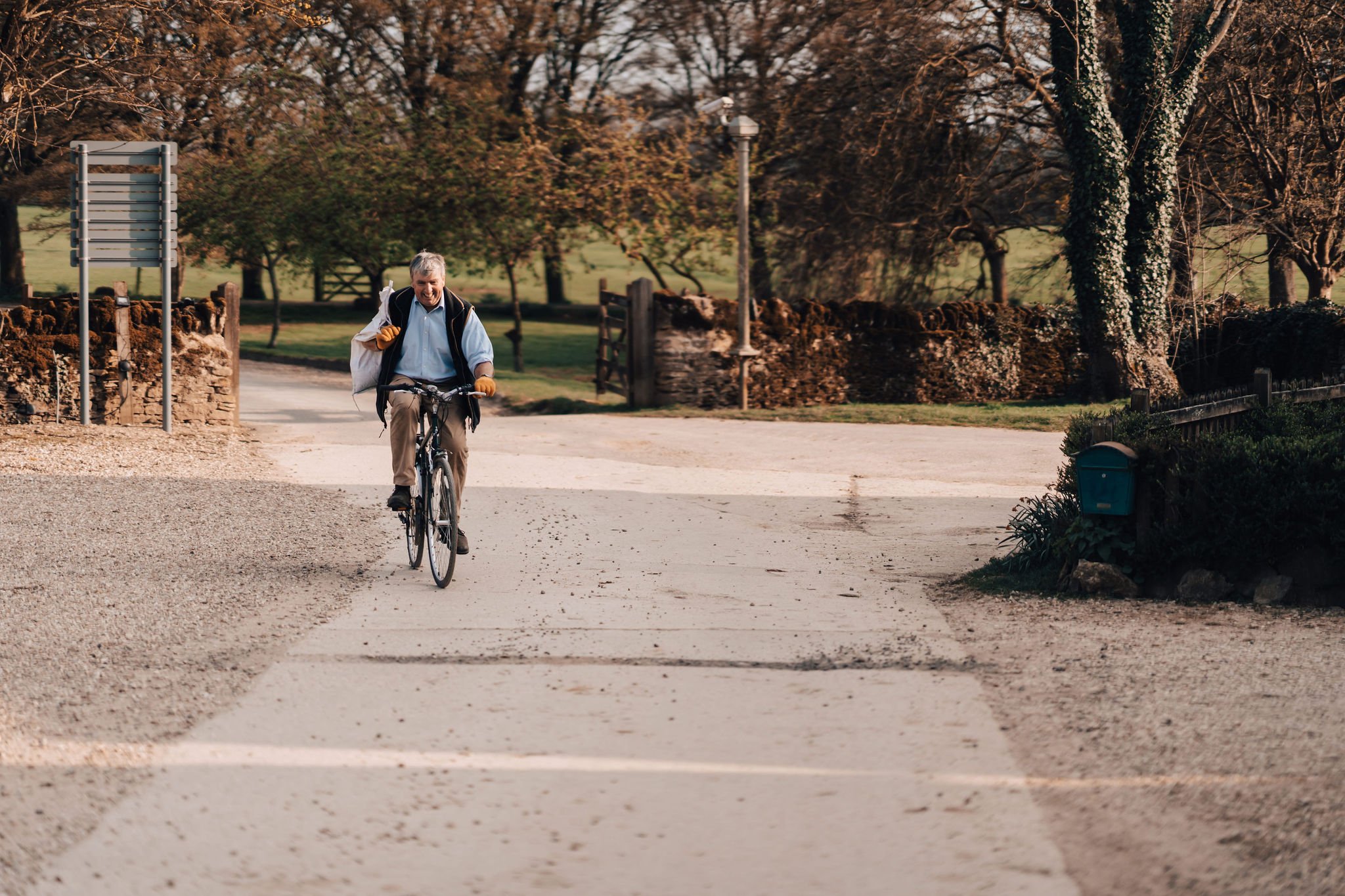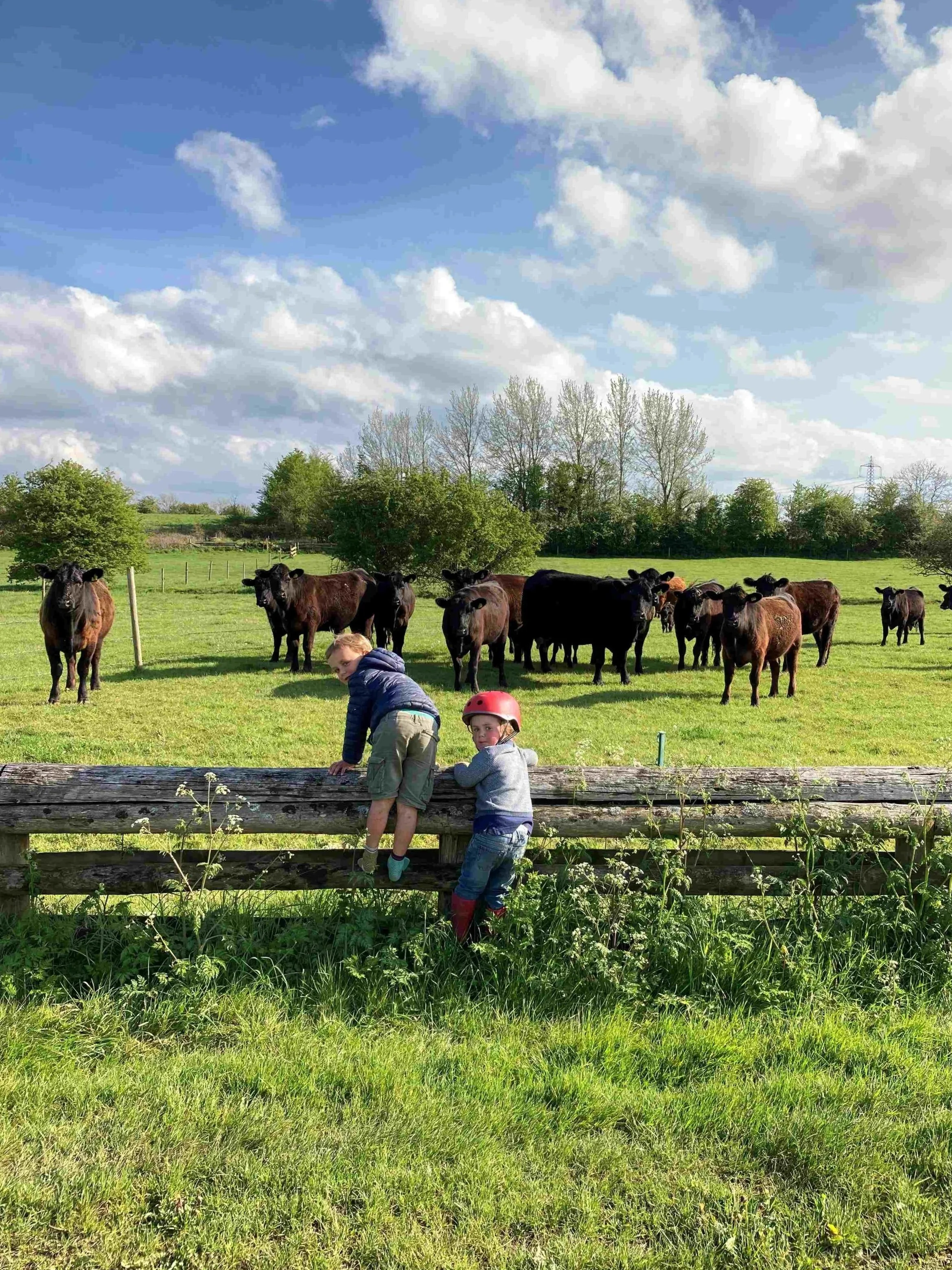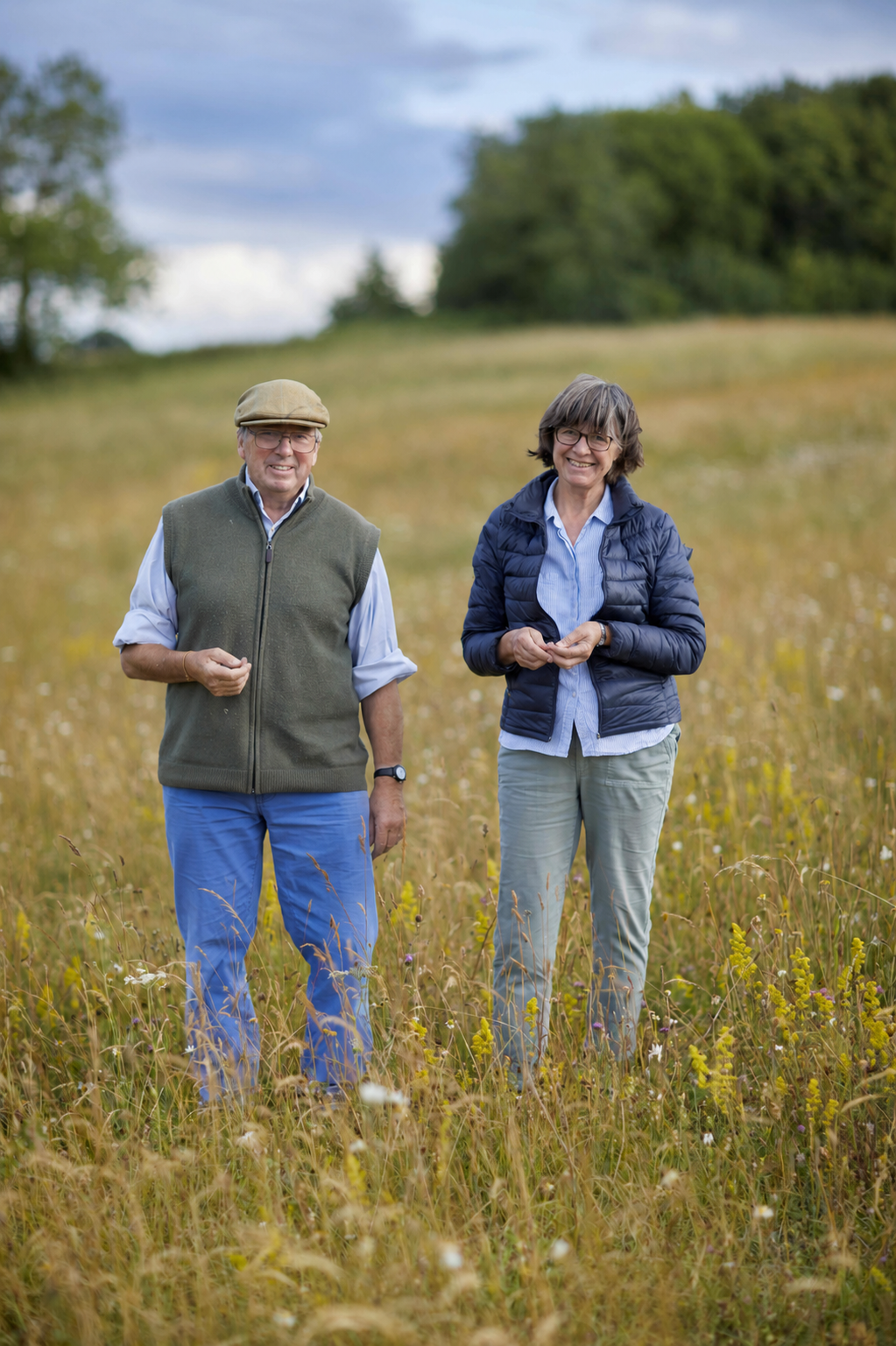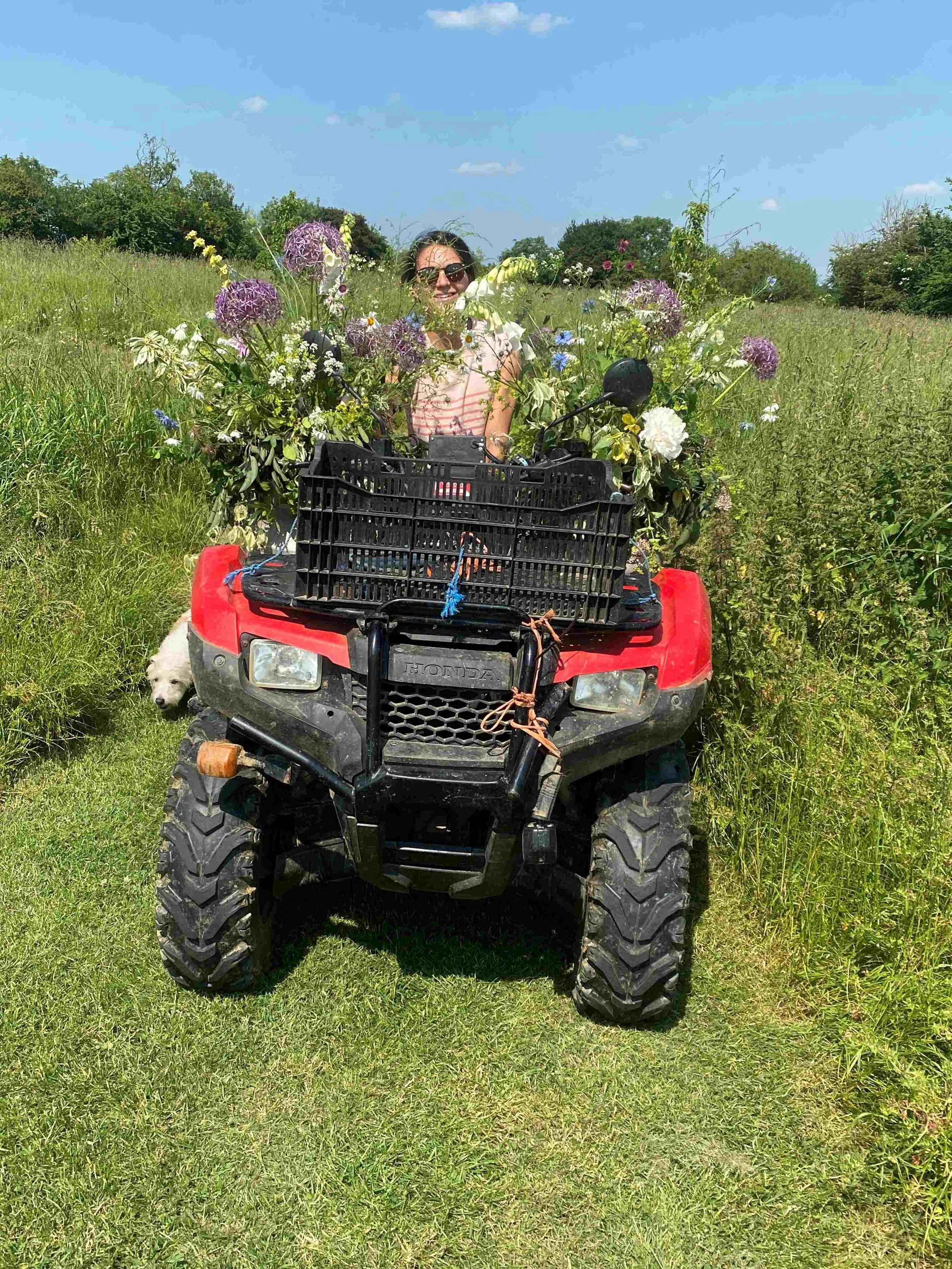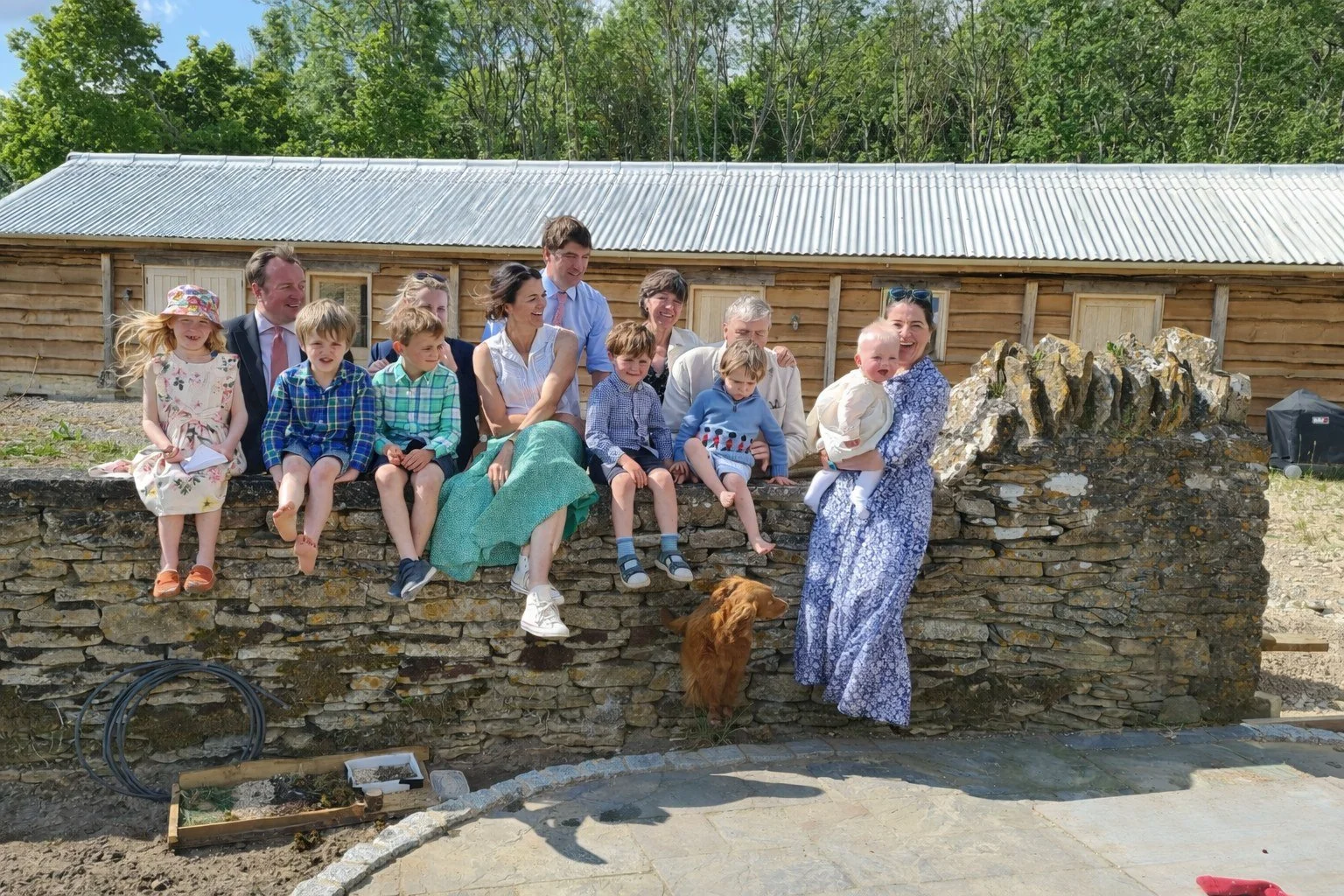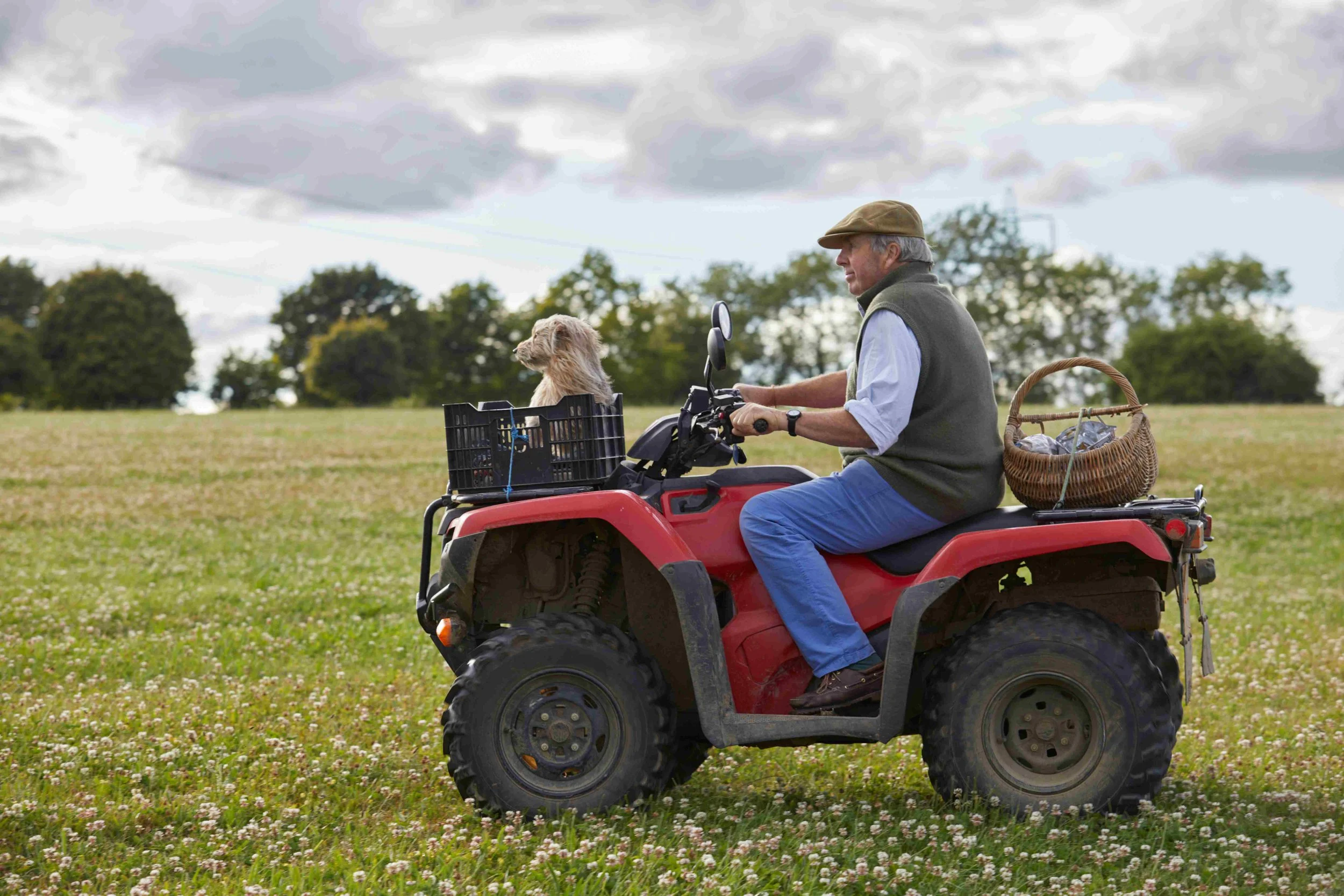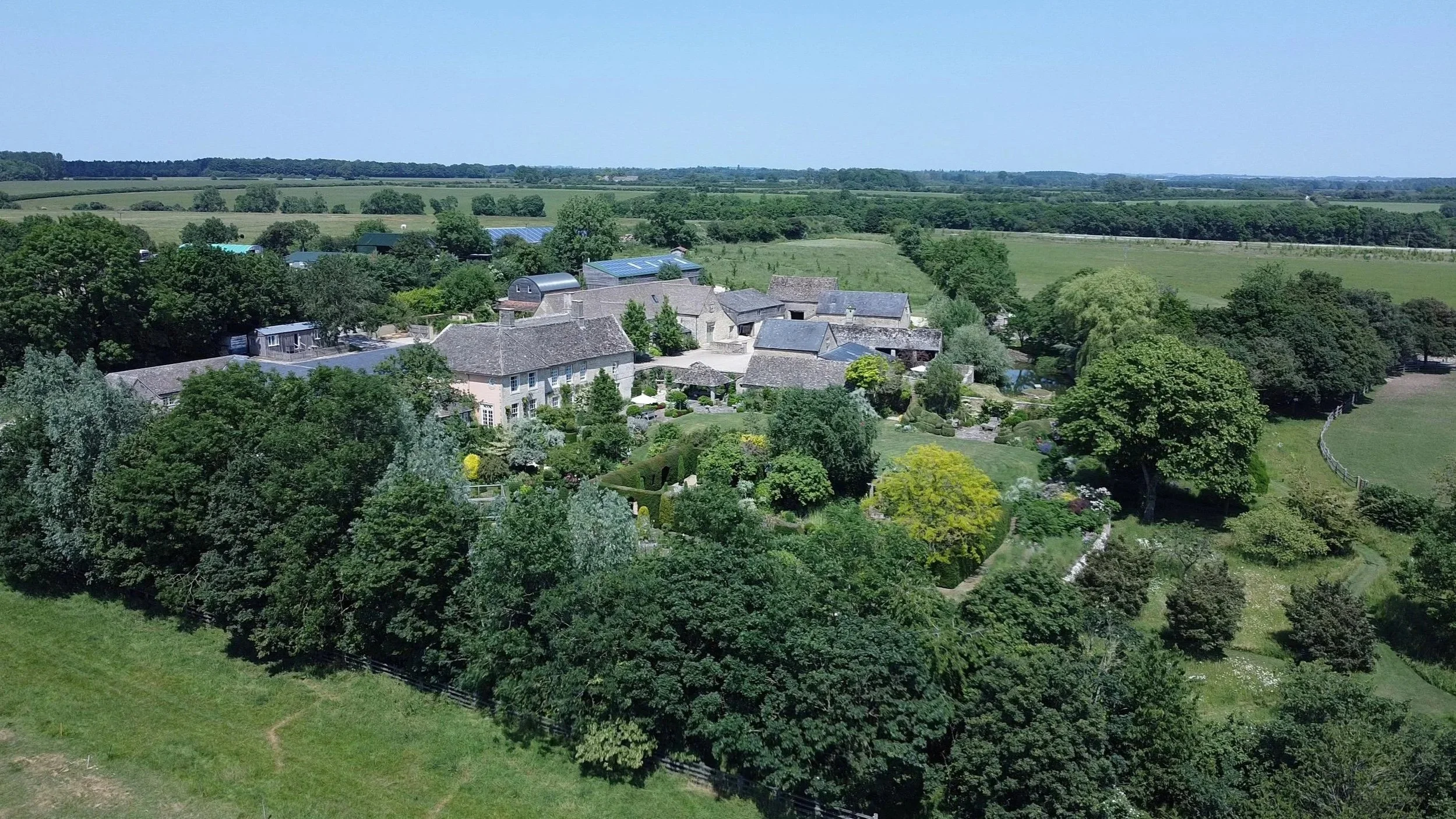
Oxleaze Farm has been owned and managed by the Mann family since 1949. Charles & Chipps prematurely inherited the farm in 1978 following the tragic death of Charles’s father, Jock in a hunting accident. Oxleaze is now passing on to the third generation as Rob and Katie step into the role of custodians
The farm Jock left behind was very much of its time: efficient, productive, and firmly rooted in the conventional practices of the day. Sprays, fertilisers, and the pursuit of ever-higher yields were not just the norm, they were the measure of success. And to be fair, it was an exciting period—yields rose, systems improved, and the business was profitable
By the mid-1990s, a quiet shift began. Perhaps it was a growing awareness of the countryside beyond the balance sheet, or simply a sense that something was missing. In 1996, we began to take conservation more seriously, planting woodland and hedges, encouraging wildlife, and paying closer attention to the land itself rather than just what we could extract from it
Then came 2004. A poor harvest coupled with dismal prices forced a reckoning. It became clear that the old model—high input, high output—was not as resilient as it once seemed. So, we made what felt, at the time, like a rather radical decision: we converted to organic farming.
What began as a pragmatic response to a difficult year gradually became something more deliberate. The various stewardship and environmental schemes available were embraced, not just for the financial support—though that certainly helped—but because they aligned with a growing belief that farming should work with nature rather than against it. Biodiversity, once an afterthought, became central to how we saw the land
Diversification had already begun in 1986 with the conversion of old buildings into office lets, over time this expanded to the conversion of a pig unit into a livery yard and holiday lets. Renewable energy projects followed, making practical use of space and resources that might otherwise have been overlooked and enabling all those living and working on the farm to benefit from green energy
More recently, we turned our attention to something altogether more challenging: farming people. An old threshing barn was converted into a sumptuous and popular wedding venue. A disused grain dryer was given a new life as contemporary accommodation for wedding guests. The Coach House, previously a pig farrowing house, took on a new role as a space for lifestyle courses. The gardens, too, having been sculpted and moulded into a glorious mix of spaces are now open to visitors
Farming today looks very different from the world Charles inherited in 1978. It is less about maximising output at all costs, and more about balance: between productivity and stewardship, business and beauty, tradition and change. Back then the farm and land was largely dead, the farm workforce consisted of three men and the land had very little in the way of wildlife. As a child he remembers riding around and seeing yellowhammers cartwheeling along the hedgerows but they were long gone thanks to the chemically fuelled cropping. Now there are more than fifty people earning a living on a daily basis creating a thriving rural community. The land is now alive, from cowpats and dung beetles to flocks of linnets and boxing hares
After all, at its heart, farming has always been about making the most of what you have, and ensuring there is something worth passing on